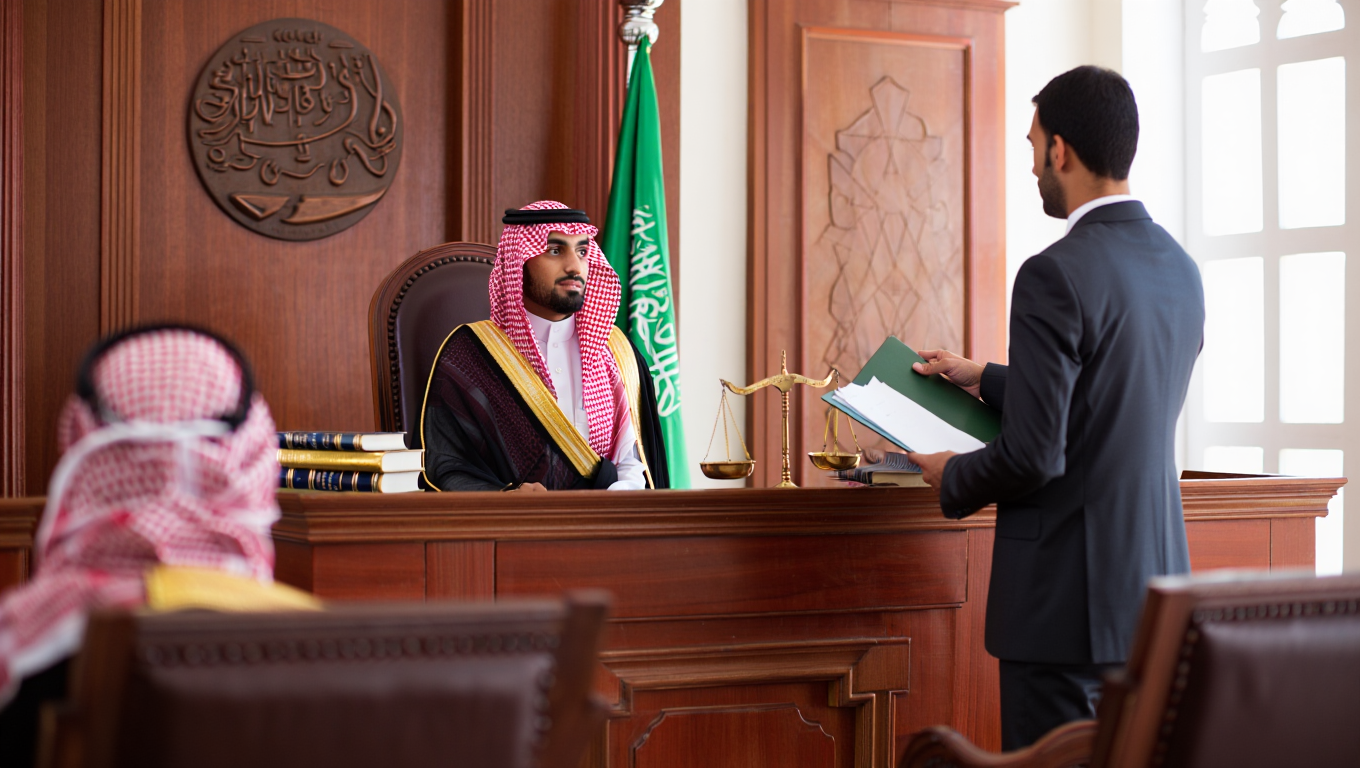
In today’s world of litigation, understanding the Pleadings Law and its Executive Regulations is essential for anyone seeking to protect their rights and defend them before judicial authorities. While legal procedures may seem complex, having knowledge of the legal framework empowers individuals to handle cases with awareness and confidence. This guide aims to simplify key concepts, explain the main procedures, and enable you to understand the litigation process clearly.
Why Understanding the Pleadings Law Matters
Understanding the Pleadings Law is not limited to lawyers only; it applies to anyone involved in a lawsuit, whether as a plaintiff or a defendant. This system ensures justice, organizes case proceedings, protects parties’ rights from abuse or procedural errors, and contributes to the swift resolution of disputes according to clear legal principles.
Key Principles of the Pleadings Law
Equality Between Parties
The law guarantees complete equality between the parties before the court, ensuring that each party has the right to present their arguments and evidence according to legal procedures.
Right to Access the Courts
The law confirms that every individual has the right to resort to the courts and file a lawsuit when legal conditions are met, without obstacles or abuse.
Organization of Notifications
The law and its executive regulations define how parties are notified to ensure awareness of the case and hearing dates, promoting fairness and preventing procedural nullity.
Right to Legal Representation
The law grants litigants the right to appoint a lawyer or legal representative to follow up on the case, submit memoranda, and defend their rights before the court.
The Role of the Executive Regulations
Interpretation of Legal Articles
The executive regulations clarify the legal provisions and explain how they are applied practically in courts.
Organizing Detailed Procedures
The regulations specify the details for filing a case, scheduling hearings, submitting objections, and enforcing judgments.
Standardizing Court Practices
They help unify procedures across courts and reduce variations in interpreting the law.
What to Do if There Are Procedural Errors?
Review the Procedures
Ensure notifications, deadlines, and court jurisdiction are correct.
File a Legal Objection
Use the objection methods guaranteed by the law, such as appeals or cassation, according to the specific cases.
Seek a Specialized Lawyer
A specialized lawyer can help correct procedural errors and protect your legal rights.
Conclusion
Being familiar with the Pleadings Law and its Executive Regulations is the cornerstone of any successful lawsuit. Knowledge of legal procedures protects rights, prevents the nullification of cases, and contributes to achieving justice as quickly as possible. It is always advisable to seek specialized legal expertise to ensure proper conduct at all stages of litigation.